





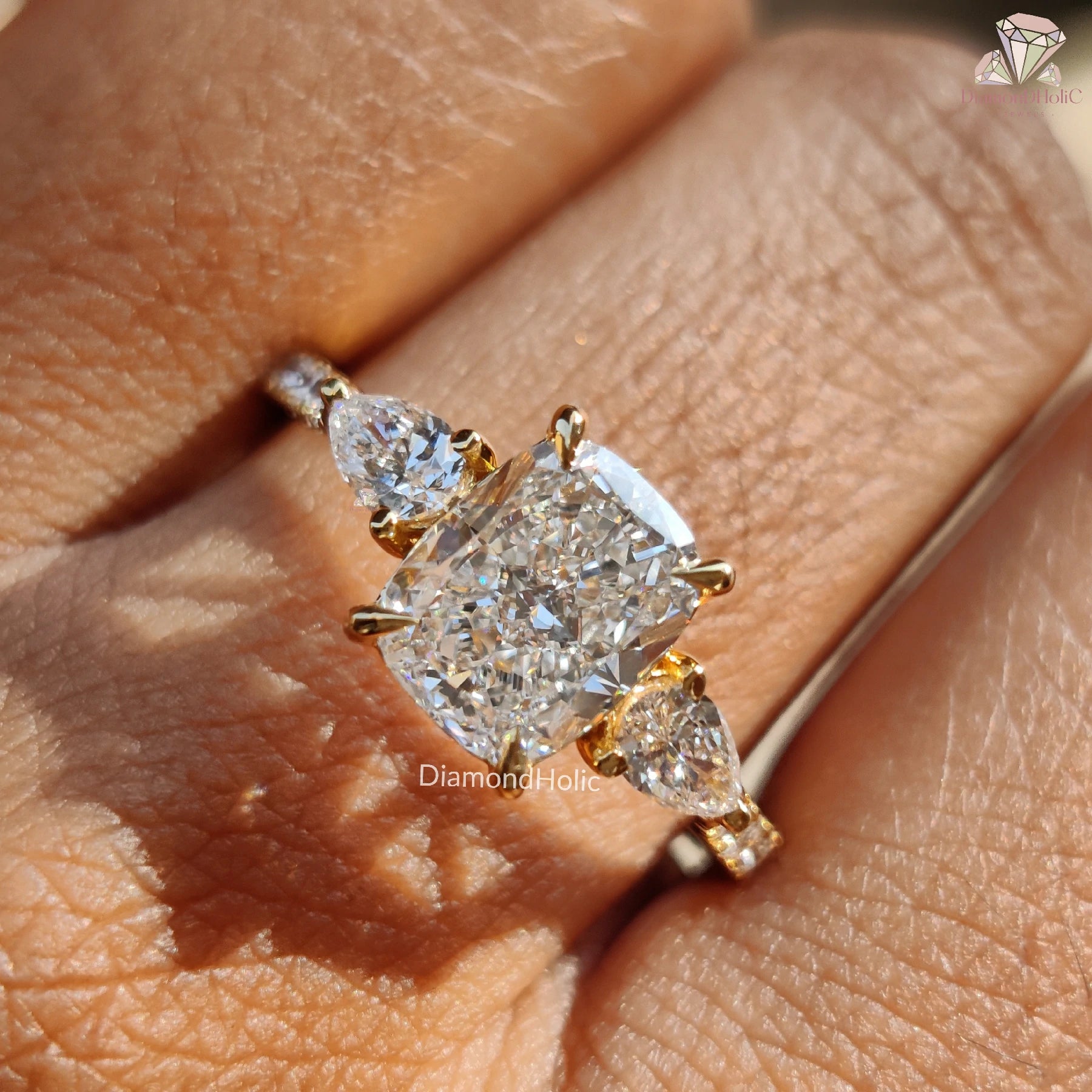


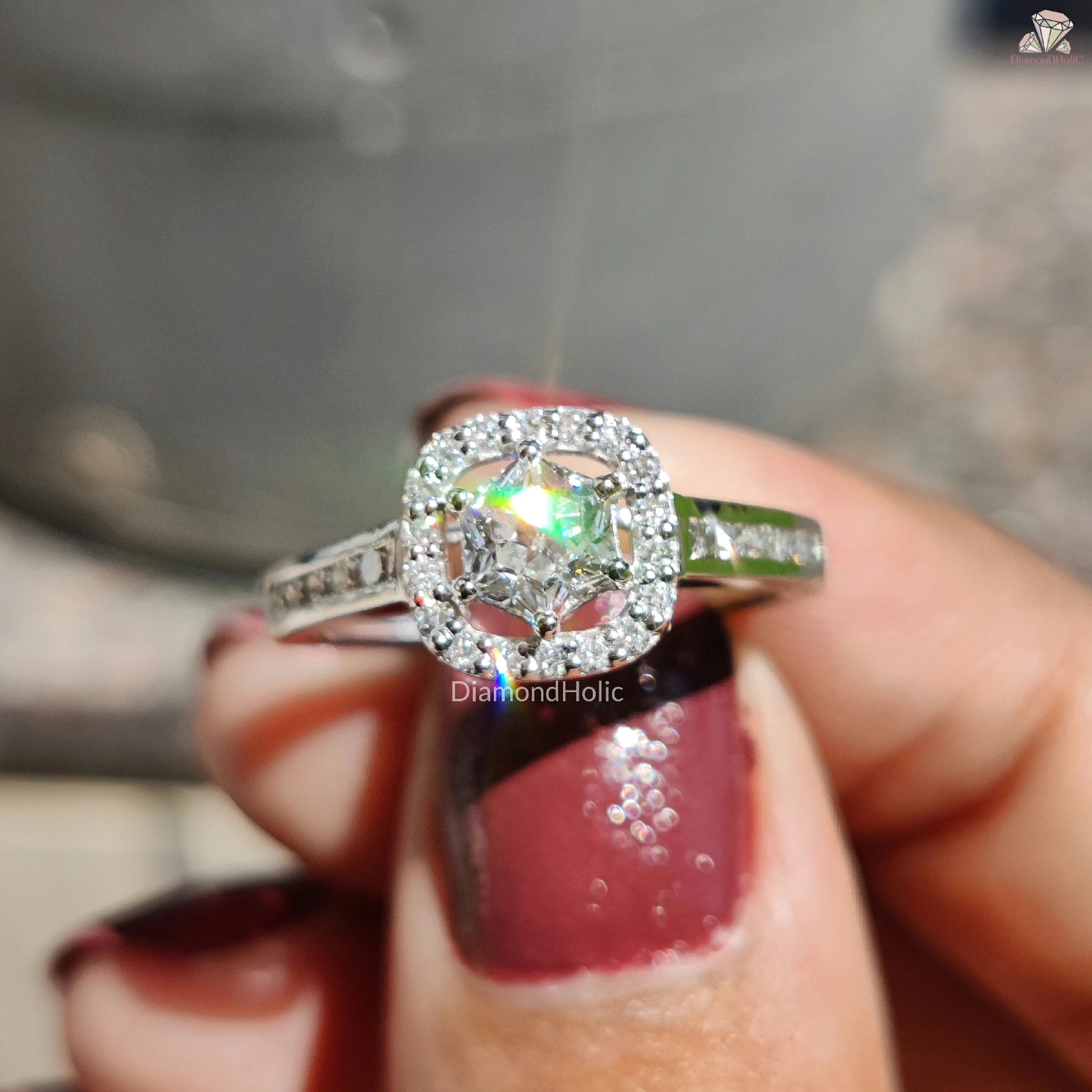
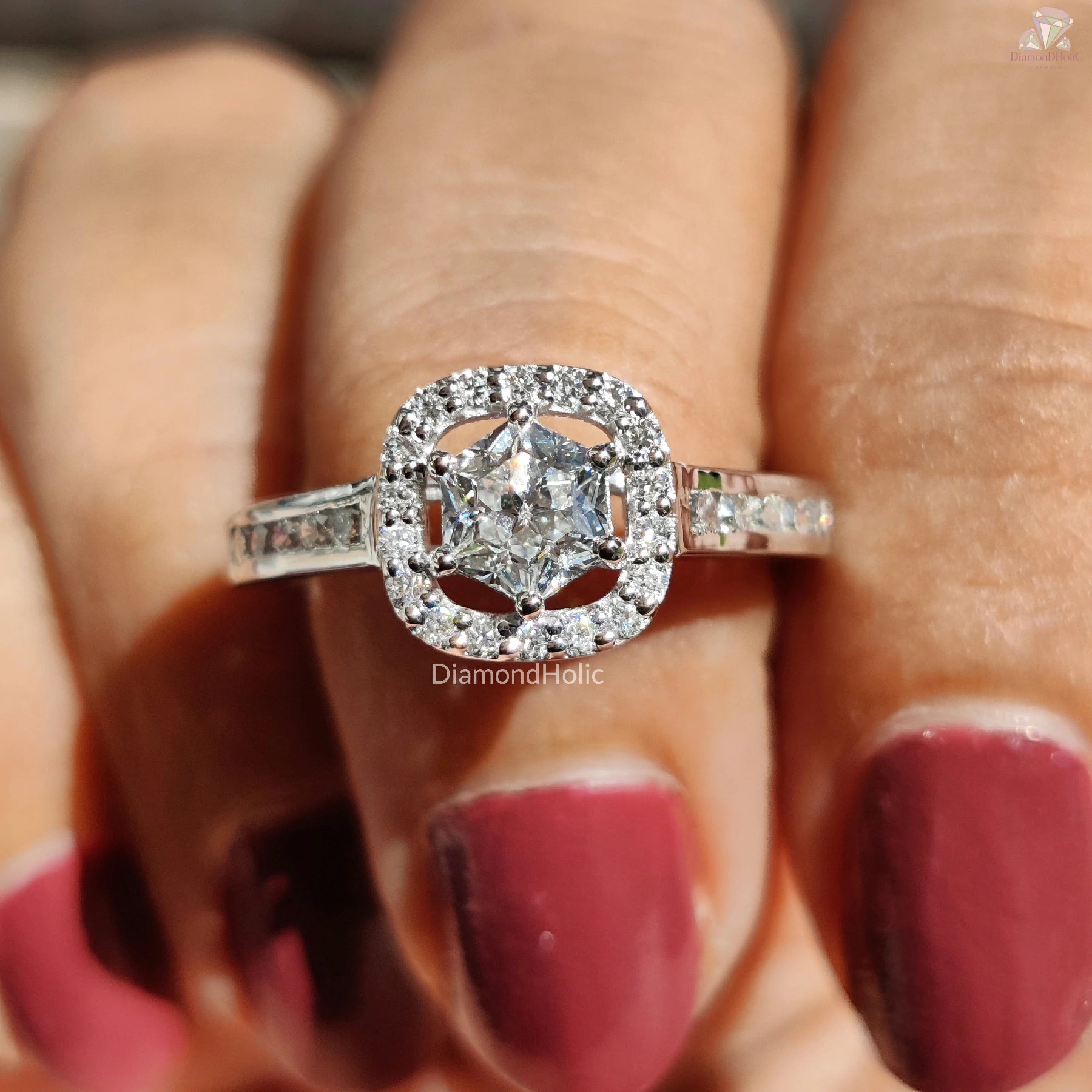
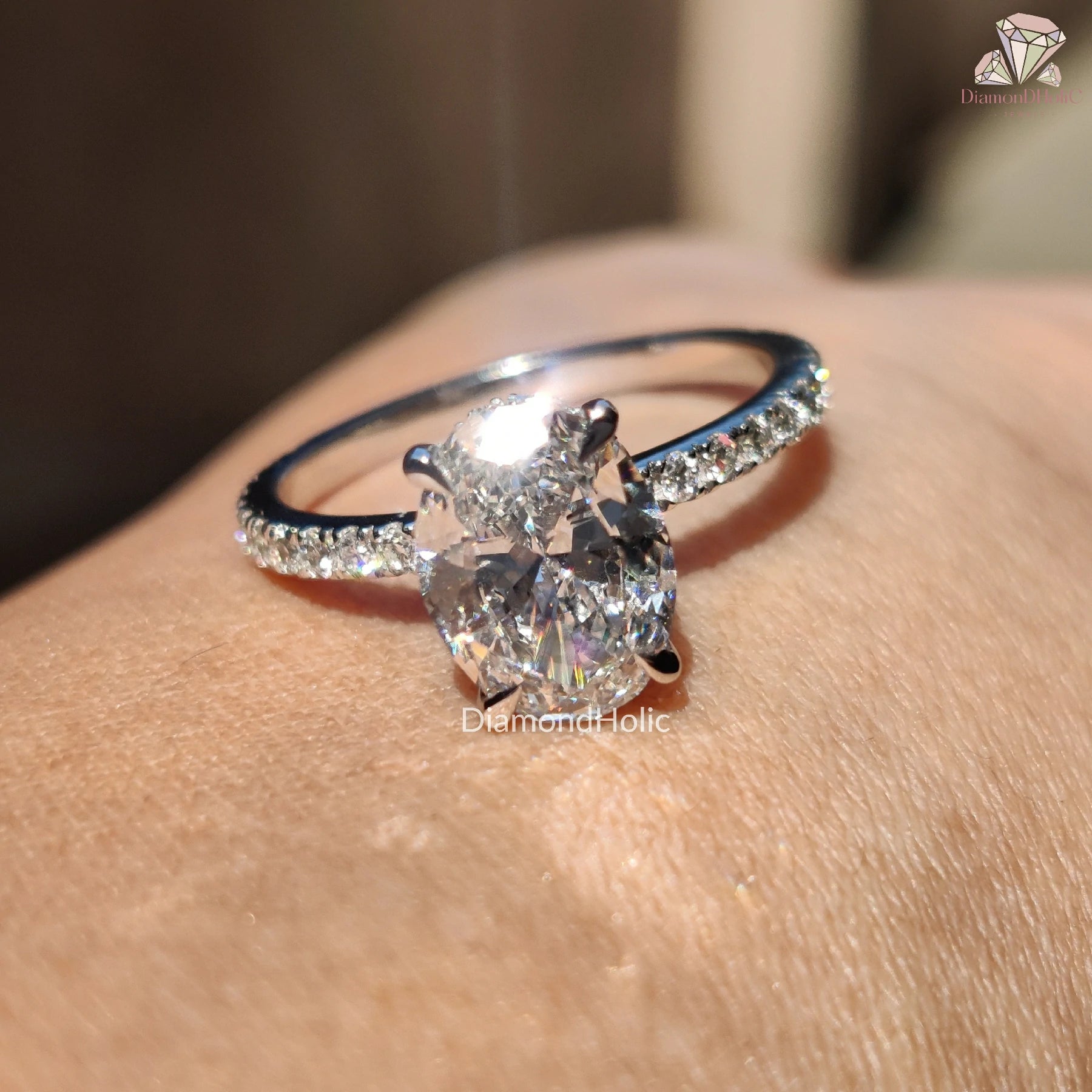
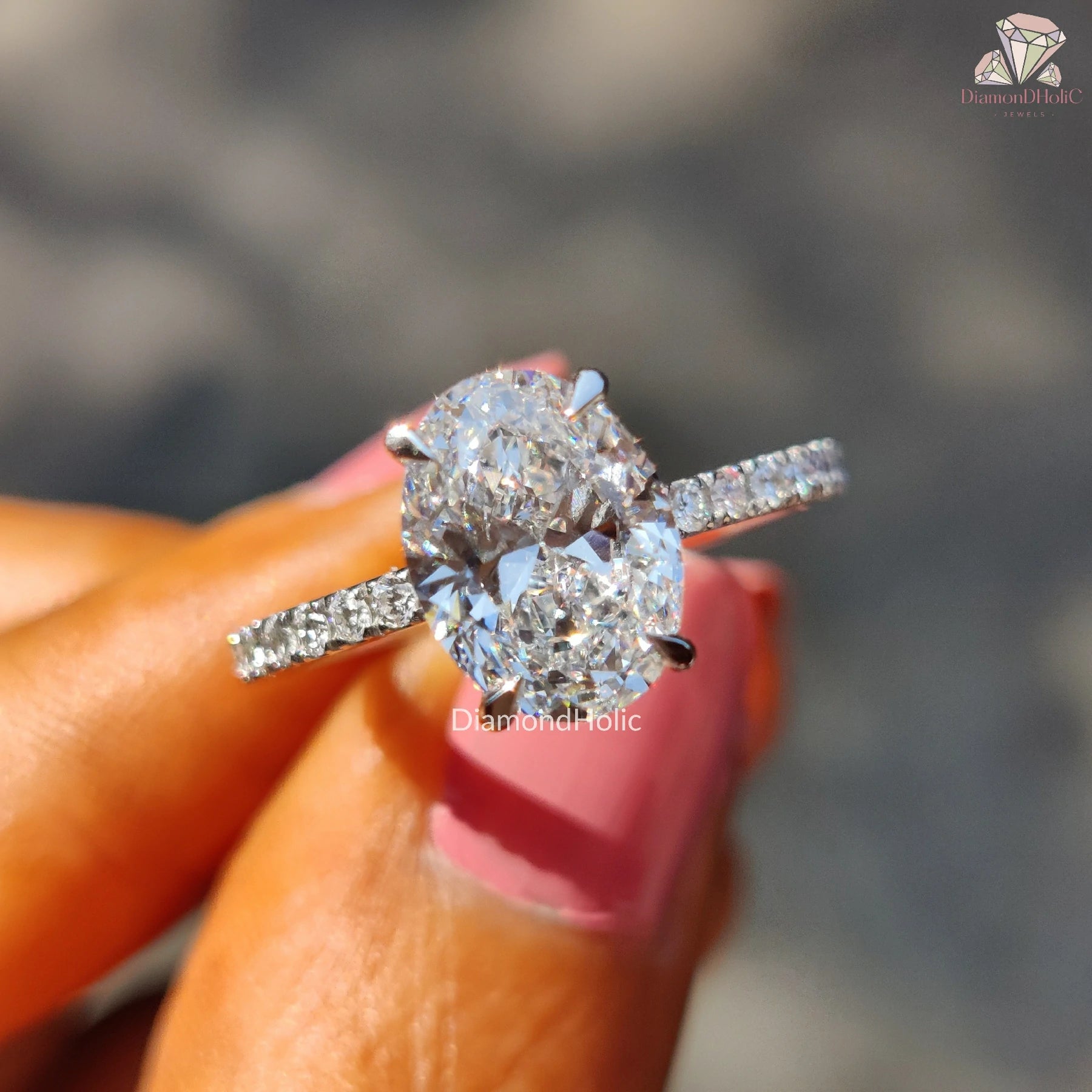
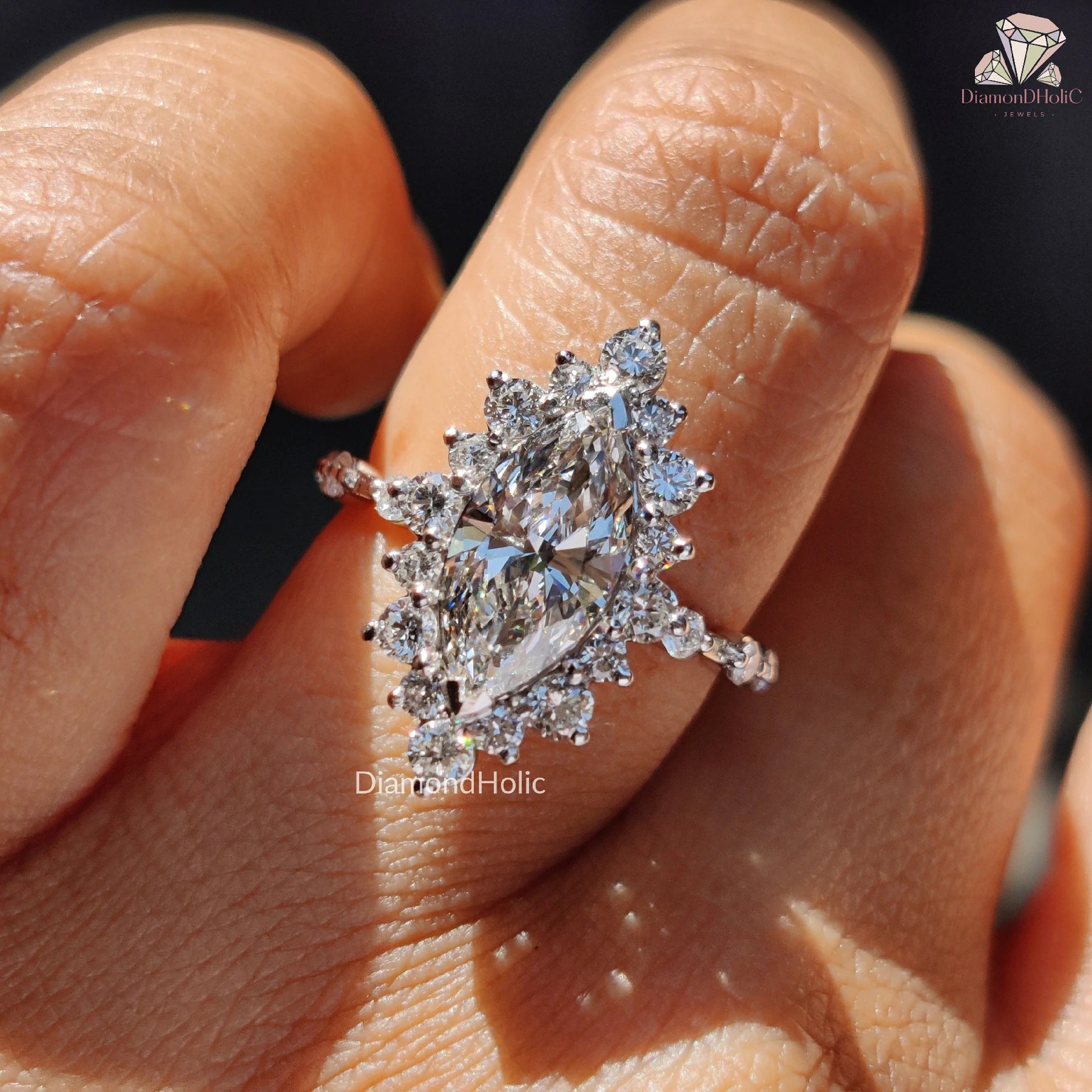
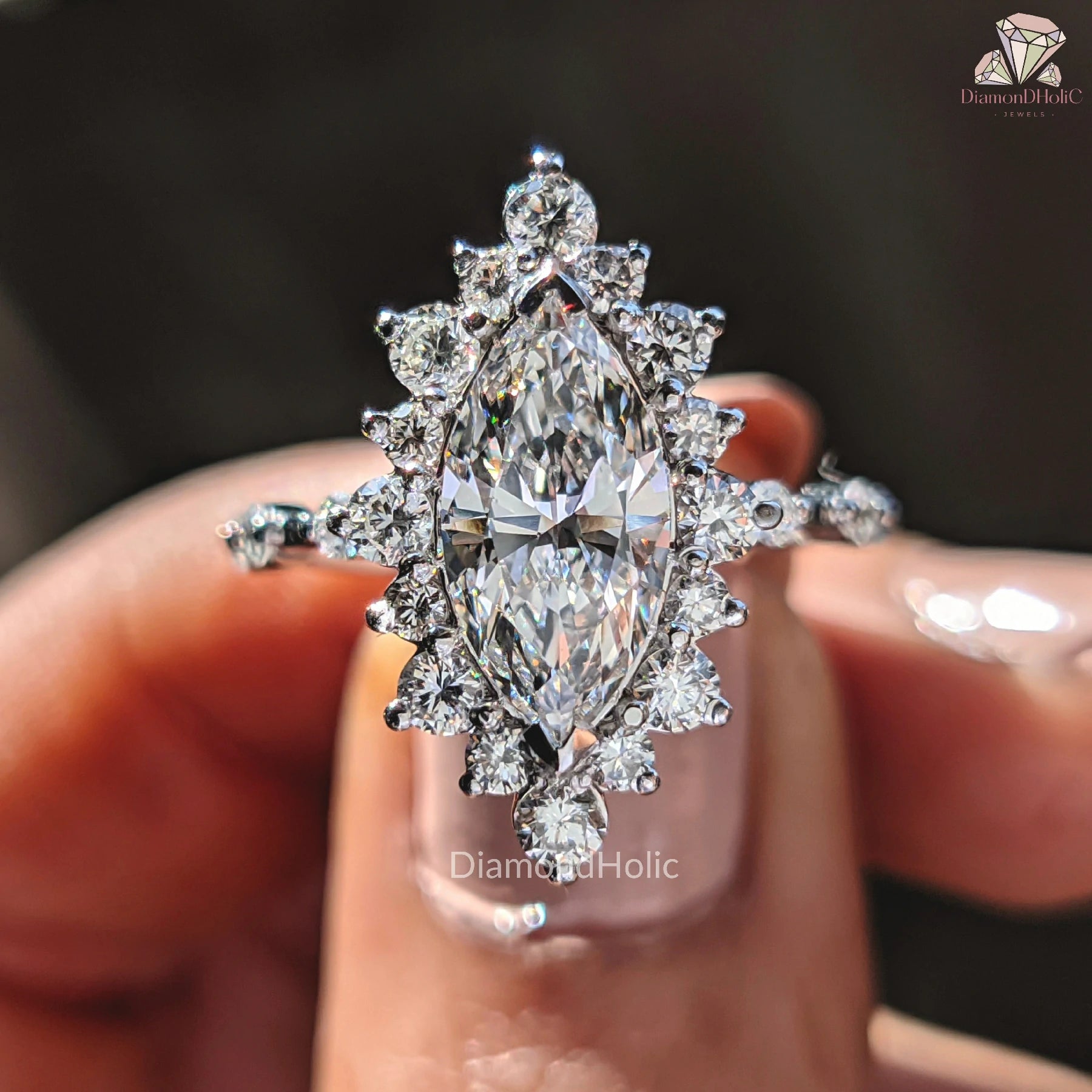


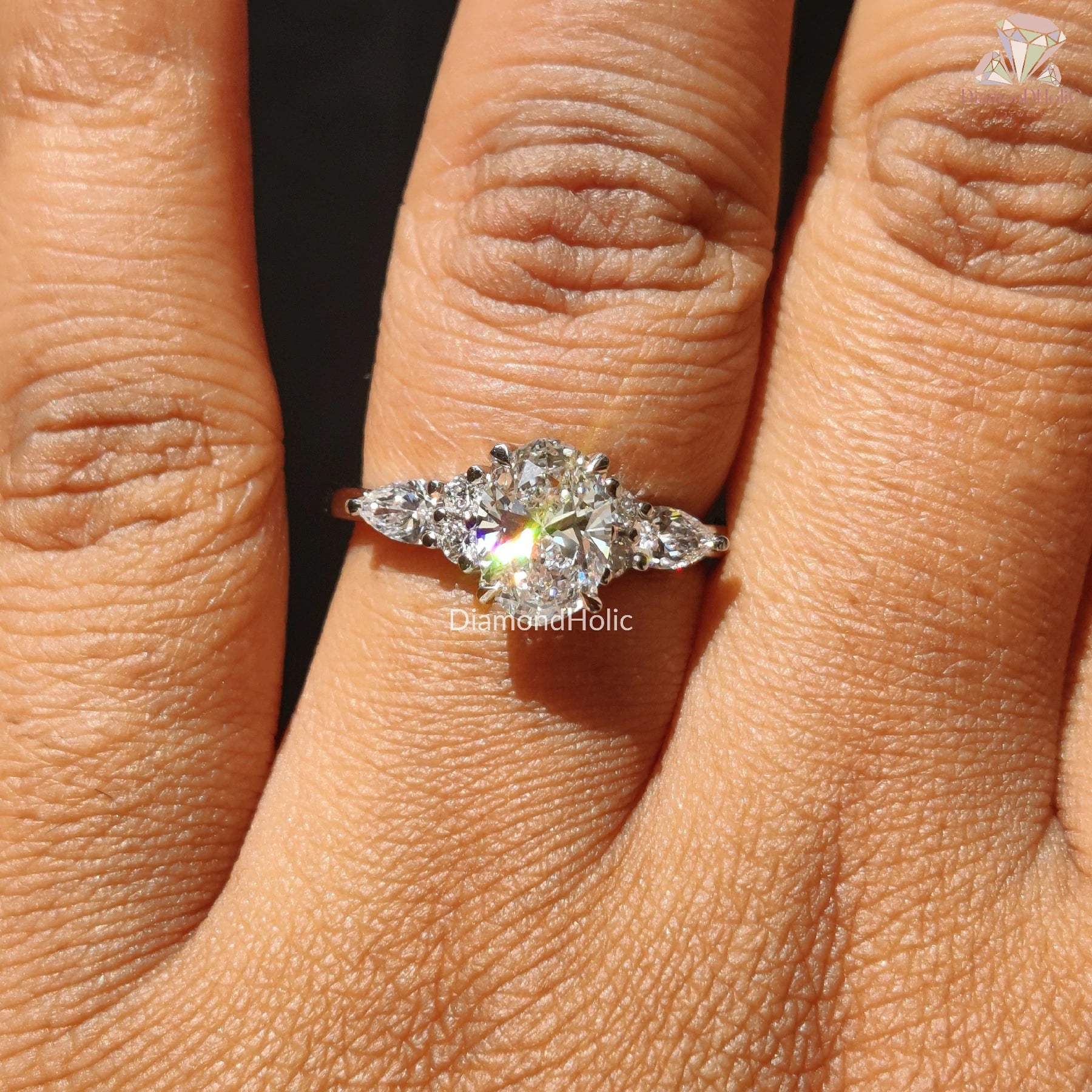
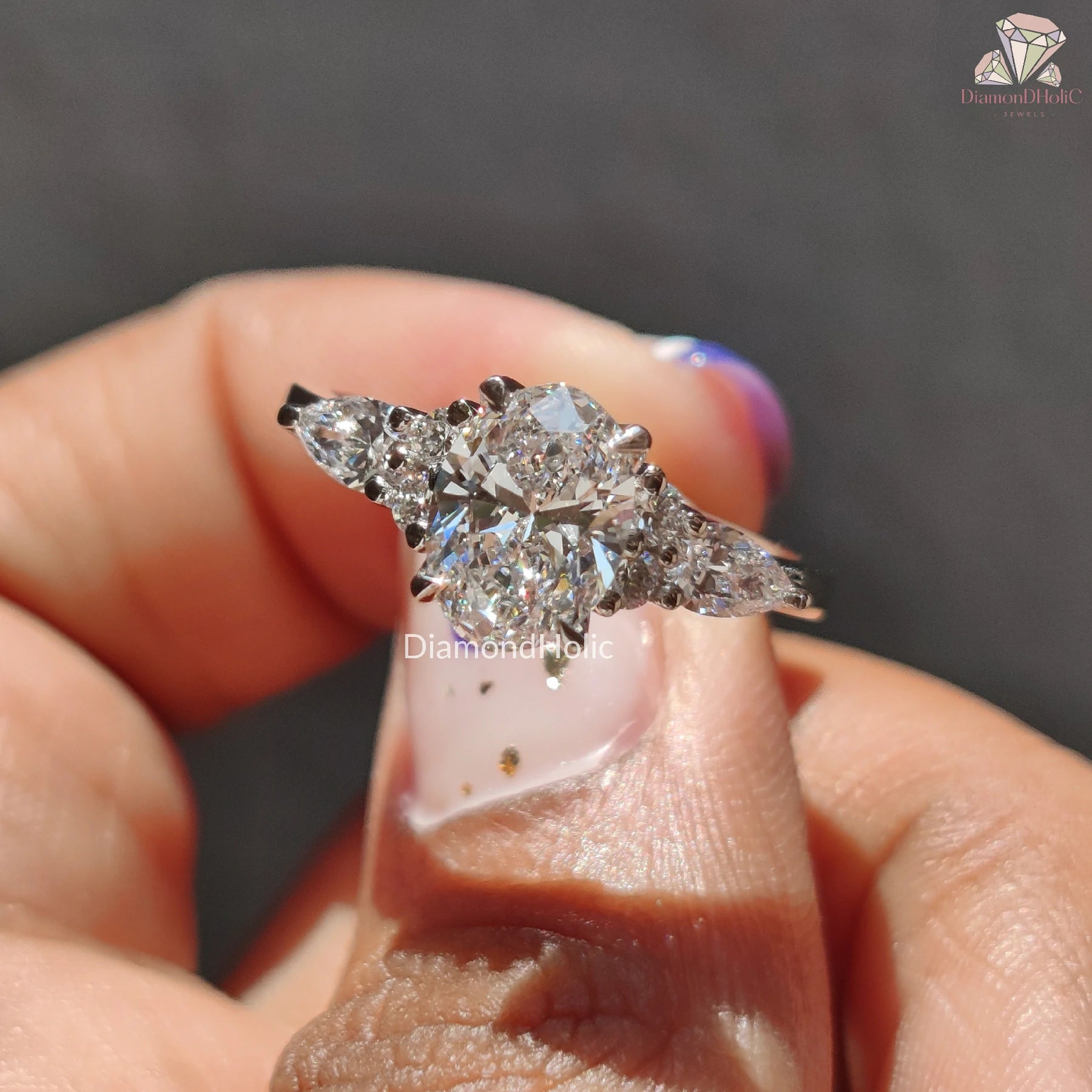
Choosing an engagement ring is a personal decision, but it is also a purchase where the details matter. In recent years, lab grown diamond rings have become a common choice for couples who want a genuine diamond while keeping more control over size, quality, design, and budget.
If you are comparing diamond engagement rings, you may have questions such as: What are lab grown diamonds? Are lab diamonds fake? How much is a lab grown diamond? Are lab diamond rings worth it? And where should you buy a lab grown diamond engagement ring?
What Is a Lab Grown Diamond?
A lab grown diamond is a diamond produced in a controlled laboratory or manufacturing environment rather than formed naturally underground. It is not the same thing as a diamond imitation such as cubic zirconia.
According to GIA, laboratory-grown diamonds have essentially the same chemical composition, crystal structure, and physical and optical properties as natural diamonds.
That means terms such as lab made diamonds, lab created diamonds, lab created diamond rings, and man made diamond rings generally refer to diamonds produced through laboratory processes rather than mined from the earth.
Are Lab Grown Diamonds Fake?
No. Lab grown diamonds are not fake diamonds.
A diamond is defined by its material and crystal structure, not simply by where it was formed. Laboratory-grown diamonds contain carbon in the diamond crystal structure and have properties closely matching natural diamonds. GIA specifically distinguishes lab-grown diamonds from diamond simulants such as synthetic moissanite and cubic zirconia.
So, if someone asks, What is a lab created diamond? , the simple answer is: it is a genuine diamond created in a laboratory instead of being mined.
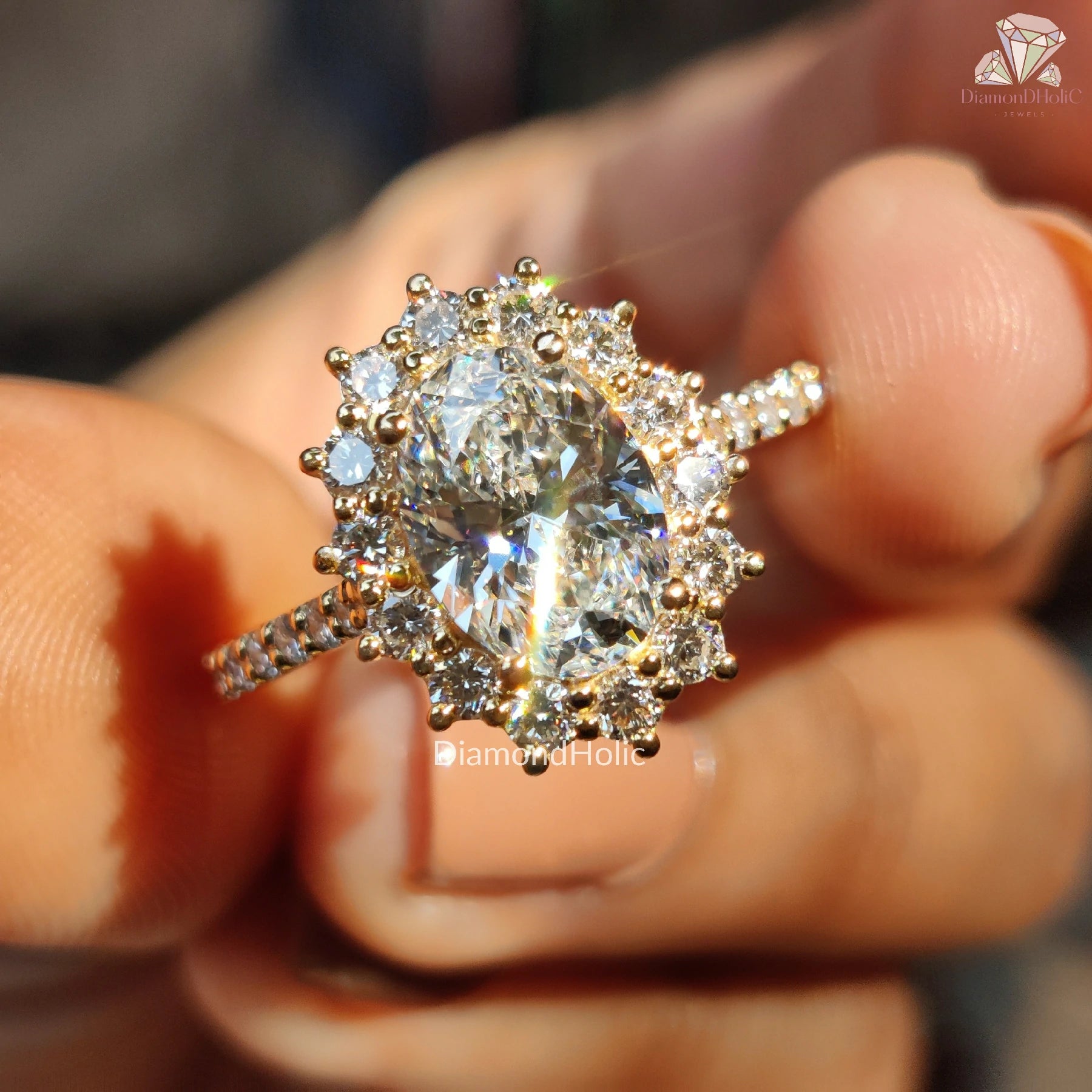
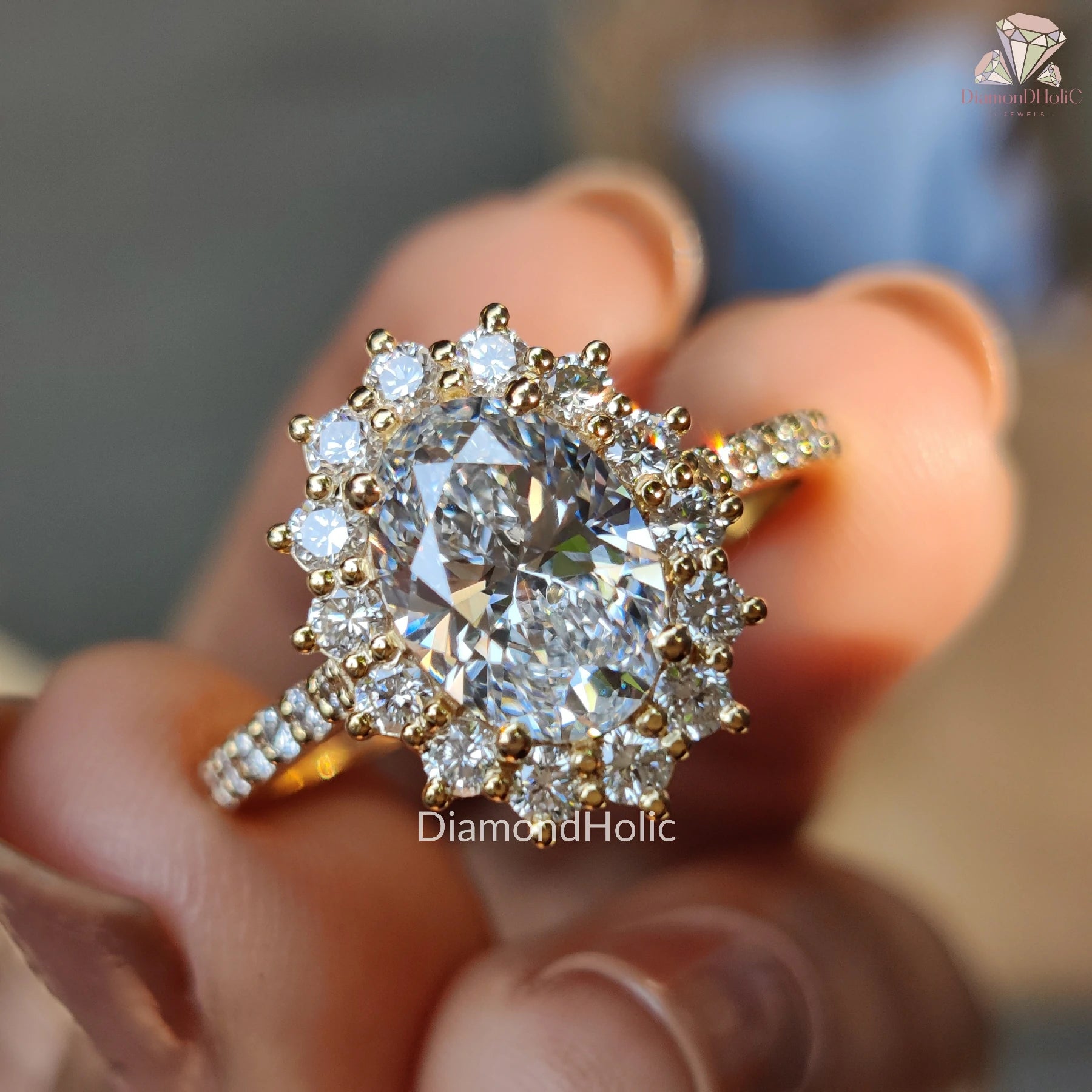
A lab grown diamond for engagement ring use can therefore be suitable for the same types of settings used for natural diamonds, including solitaire, halo, three-stone, bezel, pavé, and vintage designs.
How Are Lab Created Diamonds Made?
Two main methods are used commercially: CVD (Chemical Vapor Deposition) and HPHT (High Pressure High Temperature).
Both methods produce diamond crystals under controlled conditions. HPHT recreates high-pressure and high-temperature conditions associated with natural diamond formation, while CVD grows diamond material from a carbon-containing gas environment. GIA identifies both as established laboratory diamond growth methods.
Why Choose Lab Grown Diamond Engagement Rings?
One of the biggest reasons buyers choose lab grown diamond engagement rings is the ability to allocate a larger part of the budget toward the diamond itself or toward the ring design.
For example, instead of choosing a smaller natural diamond to stay within a certain budget, a buyer may compare a larger lab-grown center stone with the same preferred cut and color range.
This makes lab grown engagement rings particularly appealing for shoppers who want:
- A larger center diamond
- A particular diamond shape
- Higher color or clarity grades
- A custom setting
- More detailed side stones
- 14K, 18K gold, or platinum options
- Matching lab grown diamond wedding bands
- Coordinated lab grown diamond wedding rings
For couples designing their own ring, custom lab grown diamond rings can also provide more flexibility with stone size, metal, setting style, and band design.
How Much Are Lab Grown Diamonds?
There is no single fixed price for a lab-grown diamond.
The cost depends on carat weight, cut, color, clarity, shape, growth method, treatments, grading report, and the seller's pricing structure. The price of the finished ring also includes metal, craftsmanship, setting work, accent stones, and other production costs.
Because laboratory diamond production can be scaled, prices have fallen substantially over time. Current market pricing can vary considerably between sellers, so comparing the actual specifications is more useful than comparing carat weight alone.
This is particularly important when asking, “How much is a lab grown diamond?” or “How much are lab grown diamonds?” A 2-carat diamond with excellent proportions and a strong grading report should not automatically be compared with every other 2-carat diamond.
If you are considering a 2 carat lab grown diamond ring, compare the complete stone specifications and the finished ring rather than relying only on the headline carat weight.
Are Lab Diamond Rings Worth It?
If your priority is a ring to wear and enjoy rather than a financial investment, lab diamonds can make practical sense. They provide the physical characteristics associated with diamond while generally offering a lower purchase price than comparable mined diamonds.
However, buyers should understand that lab diamond engagement rings should not be treated as investment products. Laboratory-grown diamond prices have experienced significant declines, and resale values can be considerably different from the original retail price.
Do Lab Diamonds Lose Their Sparkle?
A properly cut lab-grown diamond does not stop being a diamond simply because it was created in a laboratory.
GIA notes that laboratory-grown diamonds have essentially the same optical and physical properties as natural diamonds.
However, a ring can look less bright over time because oils, lotions, dust, and everyday residue collect on the stone and setting. Regular cleaning and sensible care help maintain the appearance of any diamond ring.
What Should You Check Before Buying a Lab Diamond Ring?
Before purchasing lab diamond rings, look beyond the photographs.
1. Check the grading report
A reputable grading report can document the diamond's characteristics and laboratory-grown origin. IGI, for example, provides laboratory-grown diamond reports identifying origin and reporting relevant diamond characteristics, including the 4Cs.
Some shoppers specifically search for GIA certified lab grown diamonds, while others choose IGI-graded stones. The important point is to understand exactly what documentation accompanies the diamond and verify the report where possible.
2. Compare the 4Cs
Pay attention to:
- Cut – affects light performance and visual appearance
- Color – describes how colorless the diamond appears
- Clarity – describes internal and external characteristics
- Carat – refers to weight, not visual quality by itself
For an engagement ring, cut deserves particular attention because a larger diamond is not automatically a better-looking diamond.
3. Look at the actual measurements
A 2-carat stone can have different proportions depending on its shape and cut. Measurements can help you understand how large the diamond will appear on the finger.
4. Ask about treatments
Some laboratory-grown diamonds may have treatments, and relevant information should be disclosed. IGI reports can include treatment information when applicable.
5. Check the ring specifications
For custom diamond rings, ask about metal purity, ring weight, stone setting, band width, prong design, resizing, production time, warranty, and return conditions.
What Are the Best Lab Grown Diamond Engagement Rings?
A classic round solitaire works well for someone who prefers a traditional appearance. Oval and elongated shapes can provide a larger-looking face-up appearance. Emerald cuts appeal to buyers who prefer clean step facets, while radiant cuts combine a rectangular outline with brilliant-style faceting.
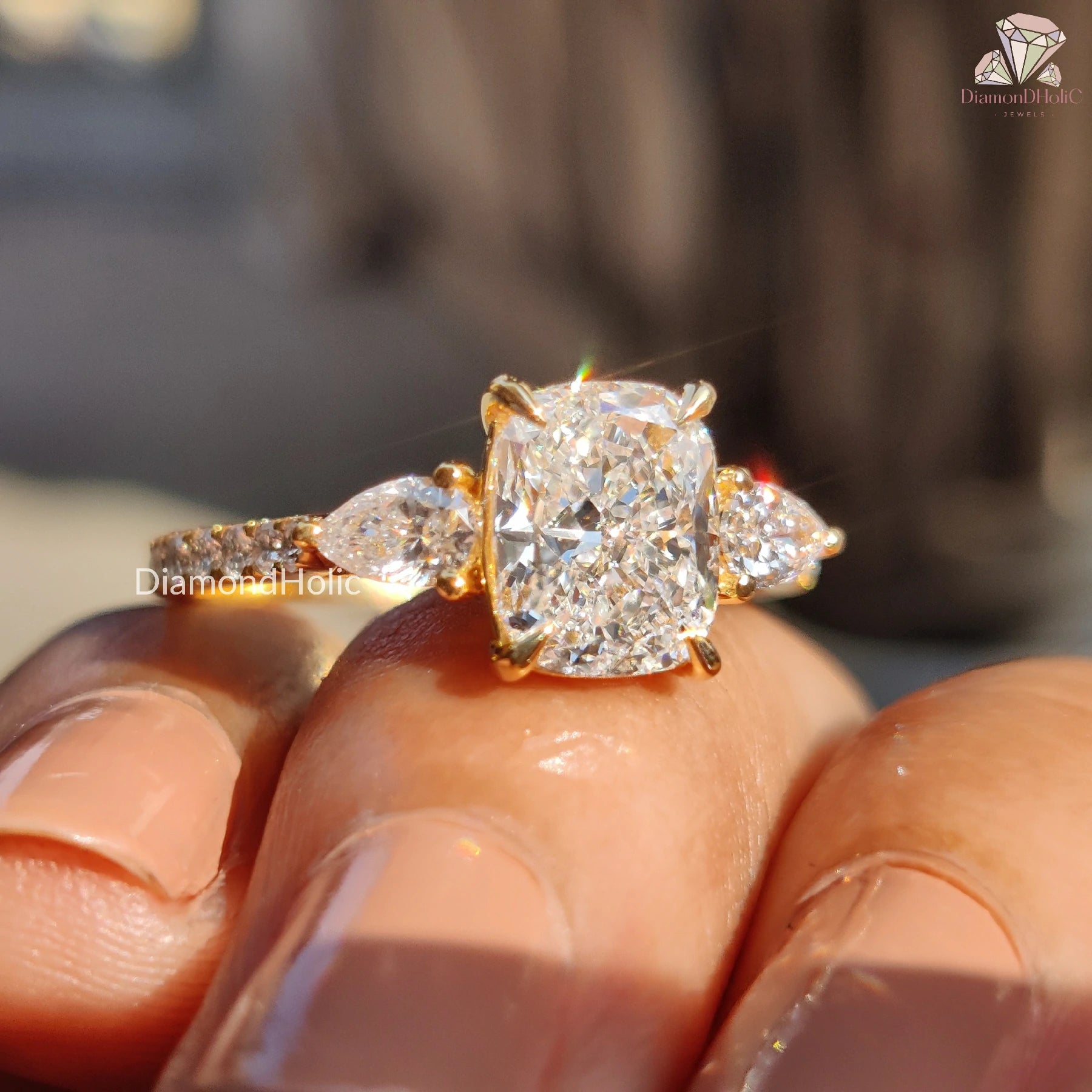
Three-stone lab created diamond engagement rings are another option, especially for buyers who want more visual detail around the center stone.
For a coordinated bridal look, consider a lab created diamond band, lab diamond wedding band, or lab grown wedding rings designed to sit flush with the engagement ring.
Where to Buy Lab Grown Diamond Engagement Rings
When deciding where to buy lab grown diamond engagement rings, look for a seller that provides clear stone specifications, transparent product descriptions, reliable customer service, realistic photographs, and appropriate documentation.
A good seller should clearly state whether the diamond is laboratory-grown or mined. The FTC specifically emphasizes clear disclosure of laboratory-grown origin in jewelry advertising.
If you are purchasing online, ask for:
- Diamond grading report
- Exact carat weight
- Diamond measurements
- Color and clarity
- Cut information
- Metal purity
- Ring size options
- Resizing policy
- Return policy
- Warranty information
- Production and shipping details
Are Lab-Grown Diamonds Increasing in Popularity?
Yes. Laboratory-grown diamonds have gained a much larger share of the engagement-ring market, particularly because consumers can compare larger stones and different designs at lower price points.
Recent industry reporting in 2026 indicates that lab-grown stones now represent more than half of engagement-ring stones in the U.S., showing how quickly consumer acceptance has changed.
Will Lab Diamond Prices Go Down in 2026?
Prices can change, and the laboratory-grown diamond market has already experienced substantial price reductions. Production technology, manufacturing capacity, competition, wholesale pricing, and consumer demand all influence prices.
As of 2026, there is strong evidence that laboratory-grown diamond prices remain under pressure. Recent industry reporting has described significant reductions in production and wholesale costs.
How Quickly Do Lab Diamonds Lose Value?
Lab-grown diamonds generally should not be purchased with the expectation of strong resale returns.
Their market value is affected by increasing production capacity and falling wholesale prices. A diamond purchased several years ago may not have the same resale value as its original retail price.
What Is the Rarest Diamond Color?
Among naturally occurring fancy-color diamonds, red diamonds are generally considered exceptionally rare. Other highly valuable natural colors include certain pink, blue, and green diamonds.
Color rarity is a separate subject from choosing a laboratory-grown engagement ring. Lab-grown diamonds can also be produced in a range of colors, but rarity and market value do not automatically transfer from natural diamonds to laboratory-grown stones.
What Are the Top 3 Most Expensive Diamonds?
The answer depends on whether you mean the highest recorded auction prices, famous individual stones, or estimated values.
Some of the most expensive diamonds associated with major sales include the CTF Pink Star, Oppenheimer Blue, and Pink Legacy. Their prices are driven by exceptional rarity, provenance, color, size, and quality.
Final Thoughts
Lab-grown diamonds have essentially the same chemical, physical, and optical properties as natural diamonds, while their laboratory origin makes them a different category from mined diamonds.
For many couples, the main advantage is budget flexibility. The money saved on the center stone can go toward a larger diamond, better cut, a more substantial gold setting, custom details, matching bands, or another part of the wedding budget.
FAQs:-
Q. 1 What celebrity wears lab-grown diamonds?
Many prominent figures and celebrities embrace lab-grown diamonds for ethical, sustainable, and fashion-forward reasons, wearing them on red carpets or choosing them for milestone moments. Notable names include Rooney Mara, Bindi Irwin, Emma Watson, and Penelope Cruz.
Q. 2 Will lab diamond prices go down in 2026?
Lab-grown diamond prices are largely hitting a "price floor" in 2026, meaning the era of dramatic, double-digit crashes is mostly slowing down.
Q. 3 Which luxury brands use lab-grown diamonds?
Several traditional and high-end luxury houses have begun incorporating lab-grown diamonds into select fine jewelry, watch, or high-fashion collections, alongside specialized luxury brands that use them exclusively.
Q. 4 How quickly do lab diamonds lose value?
Lab-grown diamonds lose a significant portion of their value immediately upon purchase, dropping by roughly 50% to 80% in resale worth.
Q. 5 Is there any reason not to buy a lab diamond?
Yes, there are several reasons why someone might choose not to buy a lab-grown diamond. Chief among them are rapid price depreciation, a lack of resale or heirloom value, and the absence of natural rarity.