


Introduction
Start with a common question that many couples ask before getting married: What finger does a wedding ring go on? Explain that while the fourth finger of the left hand is the most recognized tradition, wedding ring customs vary across countries, religions, and cultures. Let readers know that this guide will explain the history behind the tradition, the meaning of the wedding ring finger, which hand people wear around the world, and how modern couples choose what works best for them.
What Finger Does a Wedding Ring Go On?
 Open this section by answering the question immediately. Explain that in many countries, a wedding rings is traditionally worn on the fourth finger of the left hand, commonly known as the wedding ring finger. Mention that this custom is especially common in the United States, Canada, the United Kingdom, and Australia. Also explain that many countries follow different traditions and wear wedding rings on the right hand instead.
Why Is the Fourth Finger Called the Wedding Ring Finger?
Describe the historical background of the ring finger tradition. Explain the ancient Roman belief in the "Vena Amoris," or the "vein of love," which was thought to connect the ring finger directly to the heart. Clarify that modern science has shown this belief is symbolic rather than anatomical, but the tradition continues because it represents love, commitment, and lifelong partnership.
What Hand Does a Wedding Ring Go On?
 Explain that the hand used for a wedding band depends on cultural, religious, and regional traditions. Mention that while many Western countries wear wedding rings on the left hand, several European, South American, and Eastern European countries traditionally wear them on the right hand.
That Wear Wedding Rings on the Left Hand
Include examples such as the United States, Canada, the United Kingdom, Australia, France, Italy, and New Zealand. Briefly explain that the left-hand tradition has become widely recognized through Western culture.
That Wear Wedding Rings on the Right Hand
Discuss countries including Germany, Poland, Russia, Greece, Norway, Austria, and parts of India. Explain that the right hand is often associated with promises, faith, and marriage in these cultures.
Key Wedding Ring Styles
- Classic Bands: Simple, polished metal bands (gold or platinum) that offer timeless, minimal style.
- Eternity Bands: Diamonds or gemstones encircle the entire band to symbolize never-ending love; half-eternity bands feature stones only on the top.
- Pavé Bands: Features tiny, closely-set diamonds that create a delicate, sparkling surface.
- Contoured/Curved Bands: Shaped with a dip or curve to sit snugly against an engagement ring, eliminating gaps.
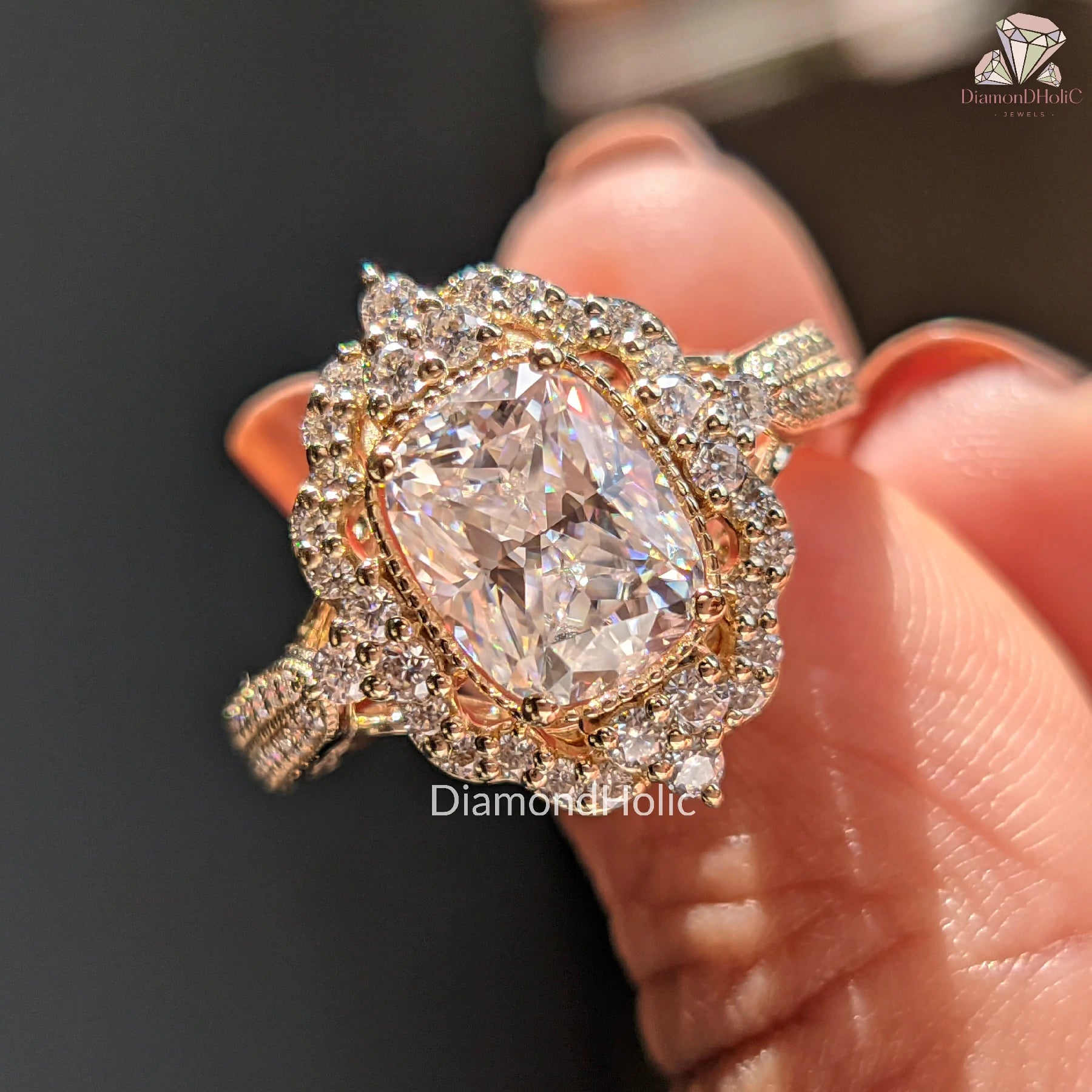
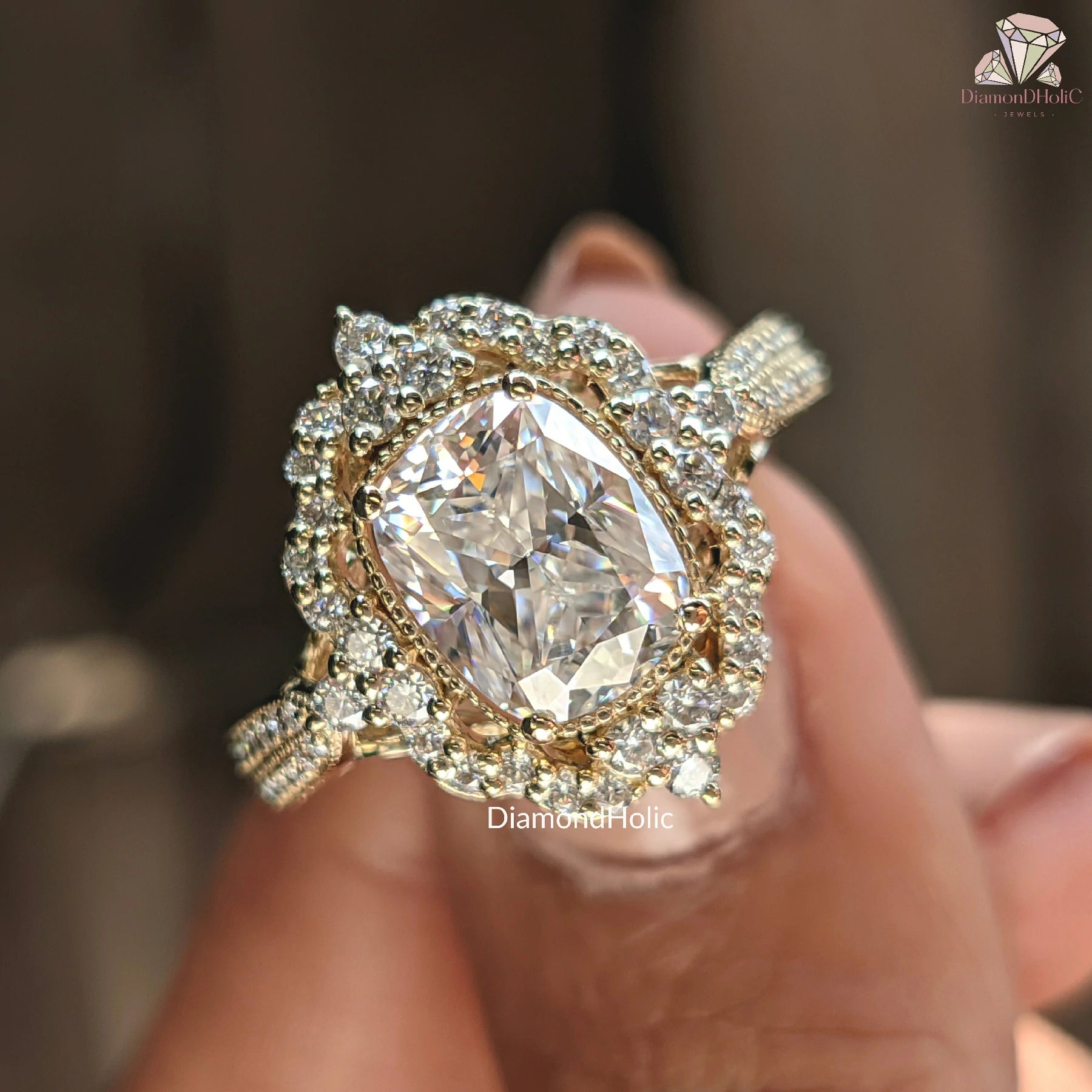
- Vintage-Inspired: Intricate details like milgrain, filigree, or Art Deco patterns that recall past eras.
- Modern/Fashion-Forward: Unique shapes, including open rings, geometric designs, mixed metals, or hammered textures.
- Guard Rings/Jackets: Nested bands worn on both sides of an engagement ring to frame it.
role="heading">Common Materials & Finishes
Metals: Yellow gold, white gold, rose gold, platinum, titanium, and tungsten.
Finishes: High-polish (shiny), brushed, matte, or hammered.
Width: Ranges from delicate (1-2mm) for stacking to bold (6mm+) for a standalone statement.
Wedding Ring Traditions Around the World
Break this section into smaller country-based subsections to improve readability.
United States
Explain that most couples wear wedding rings on the left ring finger and often stack the engagement ring above the wedding band.
United Kingdom
Describe how couples generally follow the left-hand tradition while many families also pass down heirloom wedding rings.
Germany
Mention that engagement rings may be worn on the left hand before marriage and moved to the right hand after the wedding ceremony.
Brazil
Describe how couples often wear engagement rings on the right hand before marriage and move them to the left hand during the wedding ceremony.
Global and Cultural Variations
Left-Hand Tradition: Common in the United States, Canada, the United Kingdom, Australia, and France.
Right-Hand Tradition: Common in countries like Germany, Norway, Russia, India, Spain, and Poland.
Orthodox Christian: Many Eastern Orthodox traditions place the wedding ring on the right hand during the ceremony.
Common Wedding Ring Metals and Usage Examples
Platinum: Extremely durable, dense, and hypoallergenic; perfect for longevity, though it develops a patina over time.
Yellow Gold (14k/18k): Classic, warm, and traditional. 14k is more durable, while 18k offers richer color.
White Gold: A durable white metal option alloyed with palladium or nickel and plated with rhodium for a shiny finish.
Rose Gold: A romantic pink-hued blend of gold and copper, often more durable than yellow gold.
Titanium: Lightweight, strong, and corrosion-resistant, ideal for active, modern lifestyles.
Tungsten Carbide: Heavily scratch-resistant and budget-friendly, though it cannot be resized.
Palladium: A rare white metal similar to platinum, low-maintenance, and hypoallergenic.
Sterling Silver: Affordable, but softer and more prone to tarnishing than gold or platinum.
Engagement Ring vs Wedding Ring
 Explain the difference between an engagement ring vs wedding ring. Describe when each ring is given, their purpose, and how they are typically worn together. Mention that engagement rings often feature a center stone, while wedding bands are usually simpler in design, although diamond wedding bands have also become increasingly popular.
Can You Wear a Wedding Ring on a Different Finger?
Explain that while tradition suggests the ring finger, there is no strict rule. Some people wear their wedding rings on another finger due to comfort, work requirements, medical conditions, or personal preference. Reassure readers that the meaning of the ring is more important than its exact placement.
Popular Types of Wedding Rings
Introduce readers to the most common rings styles and explain who each style may suit.
Gold Wedding Bands
Gold wedding bands are classic symbols of love available in yellow, white, and rose gold, typically priced from $150 to over $1,500 depending on weight, karat purity (14k or 18k), and design.
White Gold Wedding Bands
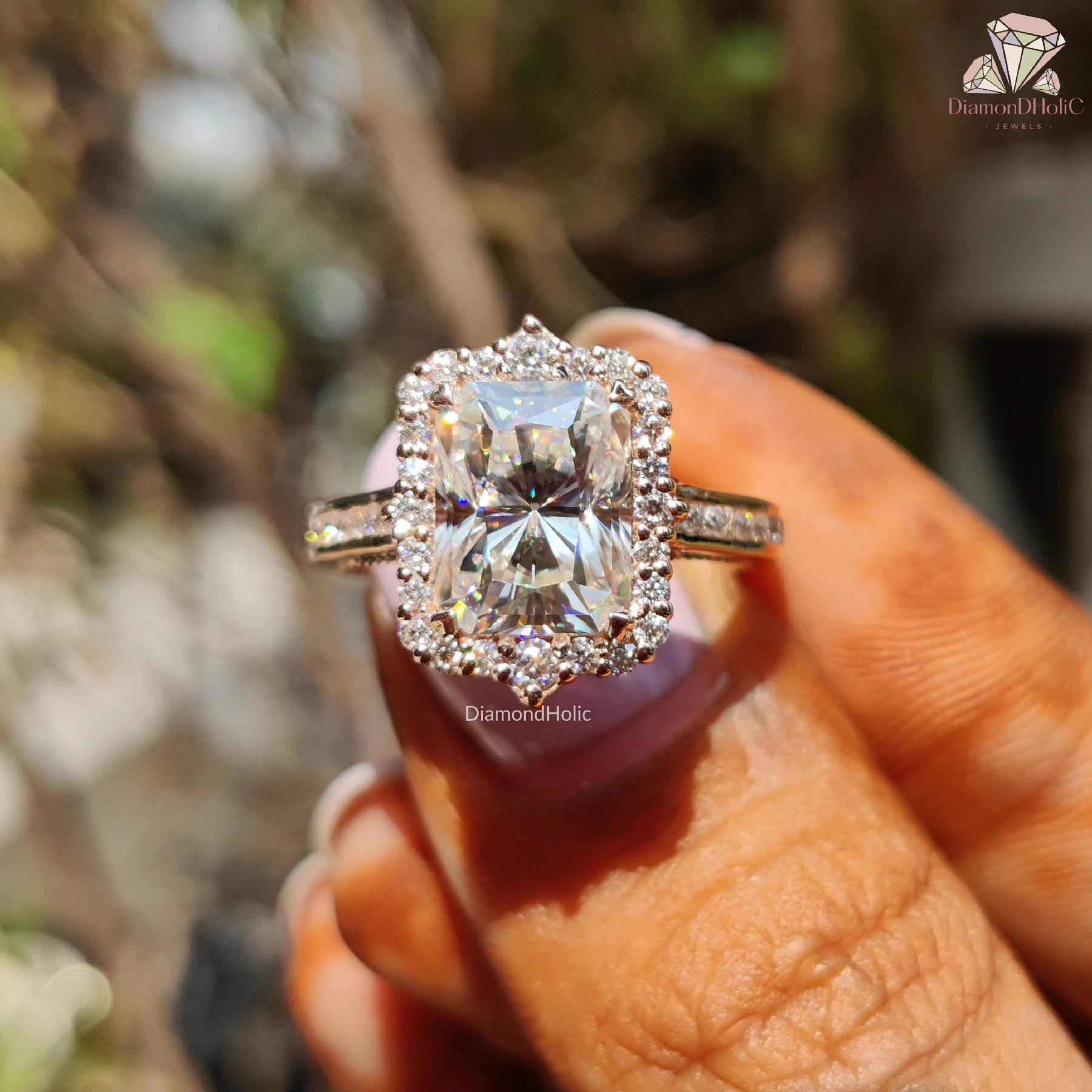
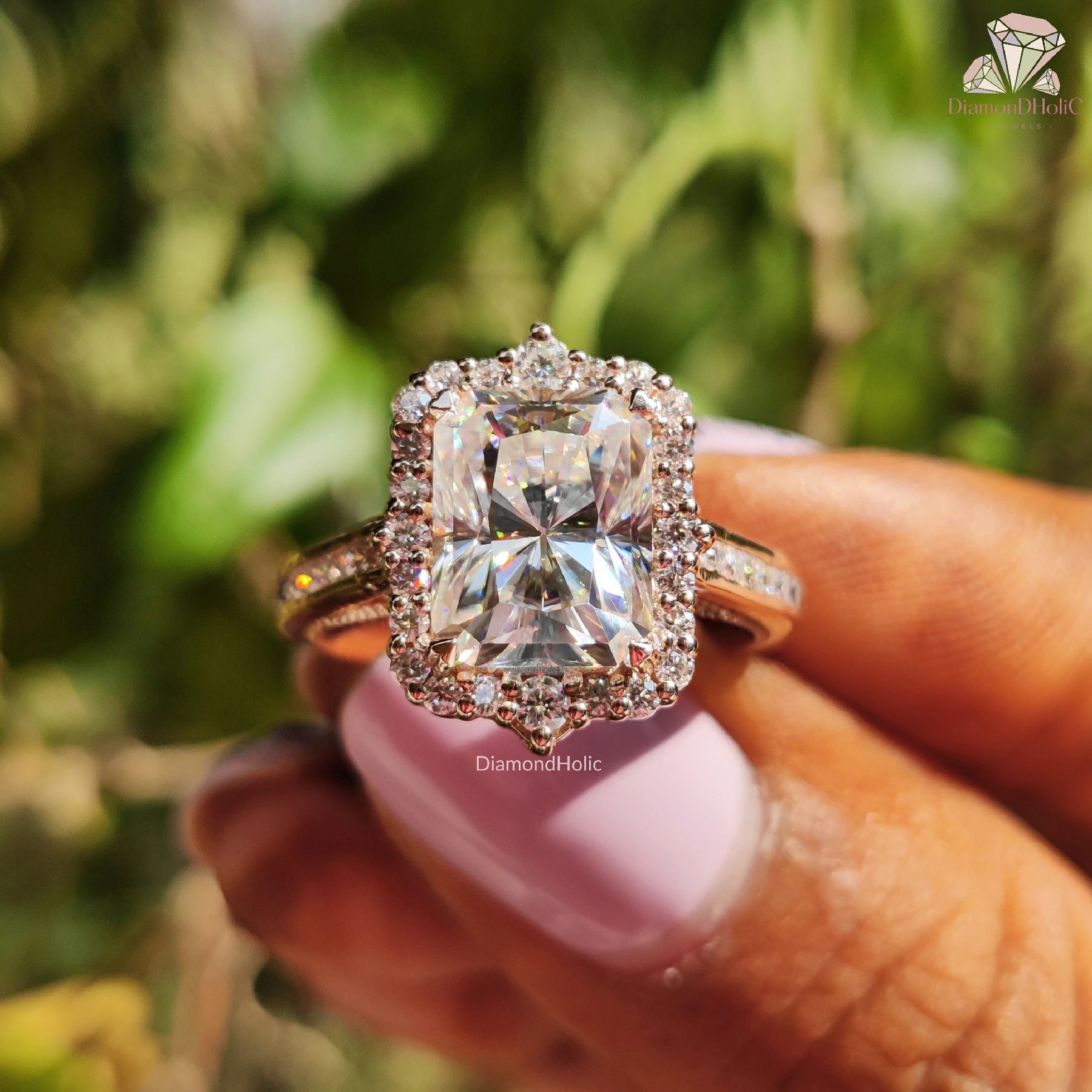
White gold wedding bands for women range from simple polished metal styles starting around $280 to intricate diamond-accented or eternity rings costing $1,000 or more. Popular options feature 10K or 14K white gold, paired with plain designs, pavé diamonds, or vintage milgrain detailing.
Diamond Wedding Bands
Perfect for couples looking for additional brilliance without replacing a traditional wedding band.
Vintage Wedding Rings
Vintage wedding rings are pieces over 20 years old featuring rich hand-craftsmanship, unique history, and ornate details like milgrain, filigree, and hand-engraving.
Wedding Ring Sets
A wedding ring set often called a bridal set combines an engagement ring and a matching wedding band designed to fit together seamlessly.
His and Hers Wedding Bands
Matching or complementary rings chosen by couples to celebrate their relationship.
History and Meaning
The Vein of Love: Ancient Romans believed a special vein called the vena amoris ran straight from the left ring finger to the heart.
Symbolism: Even though modern science disproves this vein, the left ring finger remains a popular symbol of love and commitment.
Global Differences
Right Hand Traditions: In countries like Germany, Norway, Russia, and Poland, people traditionally wear their wedding rings on the right hand.
Stacking Order: If worn with an engagement ring, the wedding bands usually goes on first so it sits closest to the palm (and heart), with the engagement ring stacked on top.
How to Choose the Right Wedding Ring
Provide practical buying advice. Explain how to choose the right metal, ring width, comfort fit, finish, and budget. Encourage readers to think about daily lifestyle, long-term durability, and personal style before making a final decision.
Final Thoughts
Conclude by emphasizing that while traditions provide guidance, there is no universal rule that every couple must follow. Whether a wedding ring is worn on the left hand or the right hand, on a classic gold band or a modern diamond design, its true meaning lies in the commitment and memories it represents. Encourage readers to choose a wedding ring that reflects their personal style, values, and relationship while respecting the traditions that matter most to them.
Frequently Asked Questions
What finger does a wedding ring go on?
In the United States and most Western countries, a wedding ring is traditionally worn on the fourth finger (the ring finger) of the left hand.
Can I wear my wedding ring on my right hand?
Yes, you can wear your wedding ring on your right hand. Many people do this for cultural traditions, comfort, or personal choice.
Which ring should be worn first?
Traditionally, the wedding band goes on first (closest to your palm and heart), with the engagement ring stacked on top of it. During the wedding ceremony, however, brides often move the engagement ring to the right hand temporarily so the band can be placed directly on the left ring finger.
Can men wear wedding rings on either hand?
Yes, men can wear wedding rings on either hand. While the left ring finger is standard in the United States and Western Europe, the right ring finger is equally traditional in many countries,
How do I choose my wedding ring?
set a budget, pick a durable metal like platinum or gold that matches your lifestyle, and decide on a plain band or one with diamonds.
How to wear a wedding ring?
on the fourth finger of your left hand (the "ring finger"), placed below your engagement ring so it sits closest to your palm and heart.
Can a man wear two wedding rings?
Yes, a man can wear two wedding bands. There are no strict rules or laws against it, and personal style.
Can I wear my wedding ring on my right hand?
Yes, you can wear your wedding ring on your right hand. Many people do this for cultural traditions, comfort, or personal choice.


From $350.00 - $1,223.00
From $190.00 - $1,135.00
From $307.00 - $763.00


From $327.00 - $945.00


From $357.00 - $1,099.00


From $315.00 - $1,058.00


From $237.00 - $867.00


$799.00
$1,150.00


$799.00
$1,150.00


$799.00
$1,150.00
$949.00
$1,250.00


$330.00
$1,687.50


$480.00
$2,558.75


$2,197.44
$2,746.80


$317.23
$396.54
$2,197.44
$2,746.80


$282.83
$353.54
0 comments