


A birthday can feel a little more meaningful when it marks a special number or a personal milestone. One of the most interesting birthday traditions is the Diamond Birthday, a term used for a birthday that has a special connection between a person's age and their birth date.
A Diamond Birthday is generally associated with turning the same age as the day of the month on which you were born. For example, someone born on August 25 would celebrate their Diamond Birthday when they turn 25.
What Is a Diamond Birthday?

So, what is a diamond birthday exactly? A Diamond Birthday is commonly described as the birthday when your age matches the calendar date of your birth. If you were born on the 18th day of a month, your Diamond Birthday occurs when you turn 18. Someone born on the 40th day of a month cannot have one, of course, because there is no 40th day.
For example:
-
Born on January 7 → Diamond Birthday at age 7
-
Born on March 21 → Diamond Birthday at age 21
-
Born on July 30 → Diamond Birthday at age 30
-
Born on December 15 → Diamond Birthday at age 15
This is why people sometimes ask, “when is your diamond birthday?” The answer depends on the day of the month you were born.
It is also sometimes called a diamond b'day in casual conversation.
What Is the Diamond Birthday Meaning?

The diamond birthday meaning comes from the idea that the birthday is a once-in-a-lifetime age-and-date match.
The diamond reference is symbolic. Diamonds are often associated with important milestones, commitment, and lasting memories, so the name gives the birthday a special character.
For example, if someone was born on the 30th, turning 30 can be considered their Diamond Birthday. A person born on the 5th would have theirs at age 5, which means it may be a milestone remembered more by parents and family than by the person themselves.
What's a Diamond Birthday?
If you have searched what's a diamond birthday or “what's a diamond birthday, you may have come across several different definitions online.
The most common definition is simple:
Your Diamond Birthday is the birthday when your age matches the day of the month on which you were born.
It is not the same thing as a 60th birthday, although some people use “diamond birthday” to refer to a 60th birthday because diamonds are traditionally connected with 60-year milestones.
Explore our jewelry collection for gift ideas that mark your special day
History Behind Diamond Birthdays
A traditional diamond birthday marks a person's 60th birthday, drawing its history from the diamond jubilee, which historically celebrates a 60-year milestone popularized by Queen Victoria in 1897. Over time, the concept evolved, and newer social trends now use the term for different date-matching alignments.
Diamond Birthday Jewelry
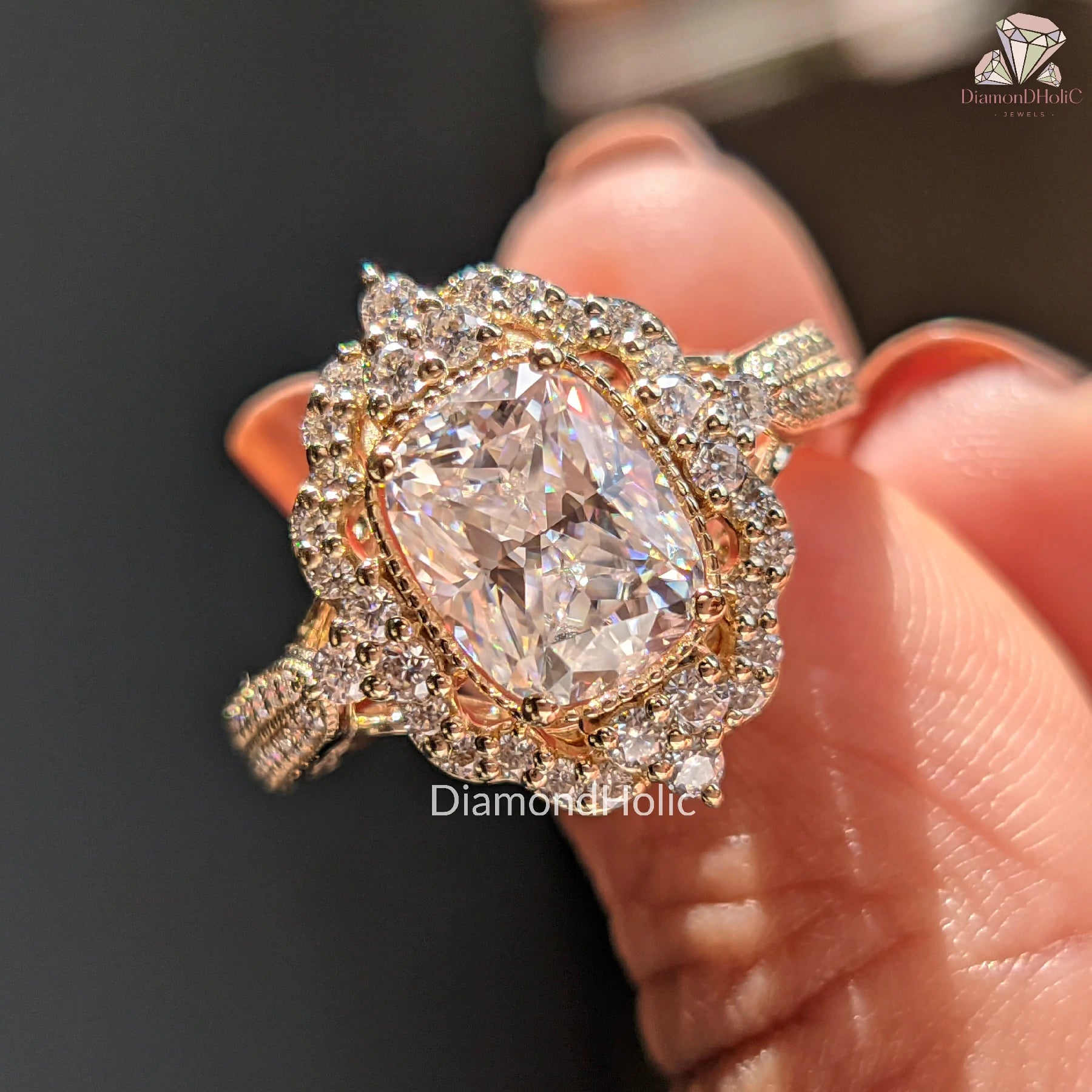
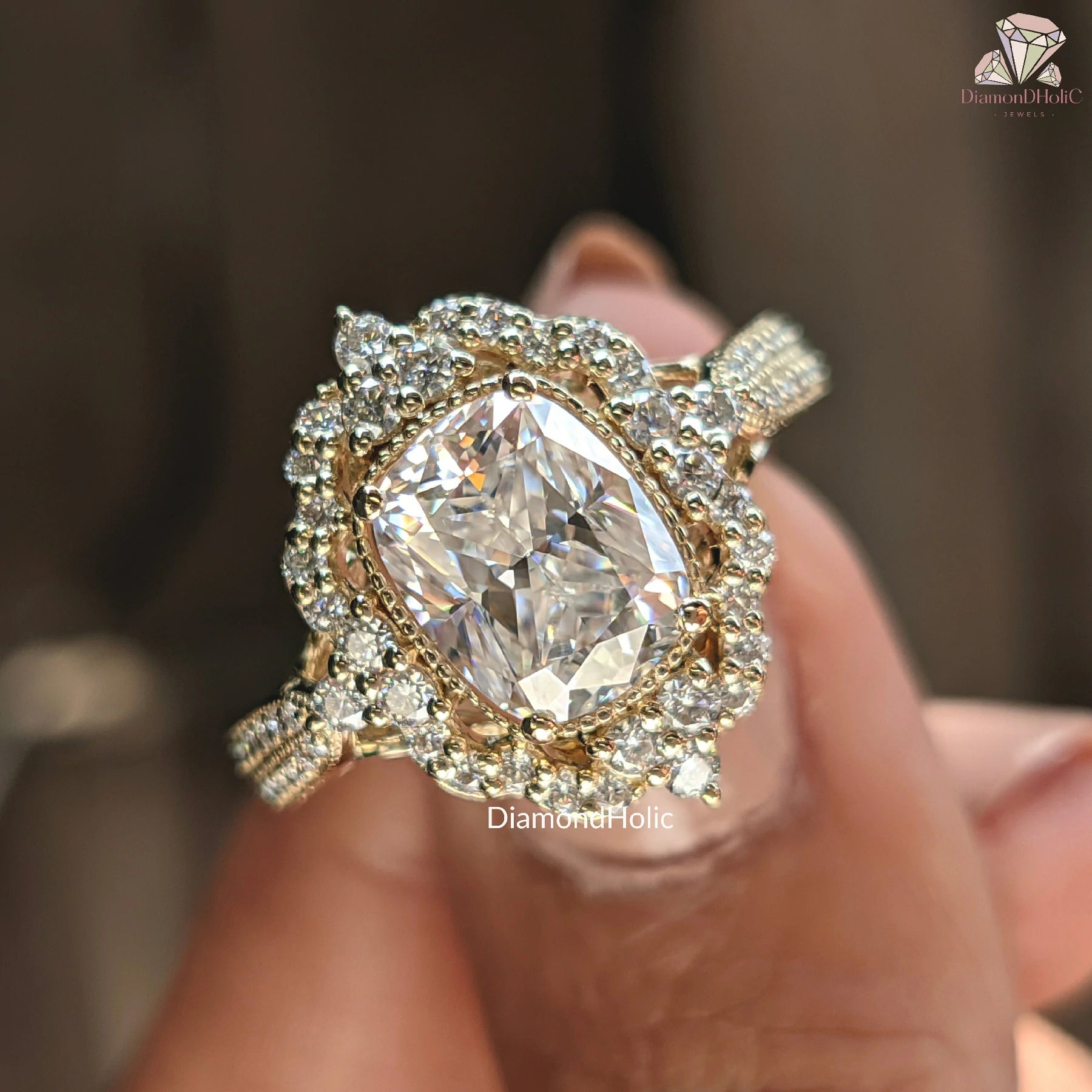
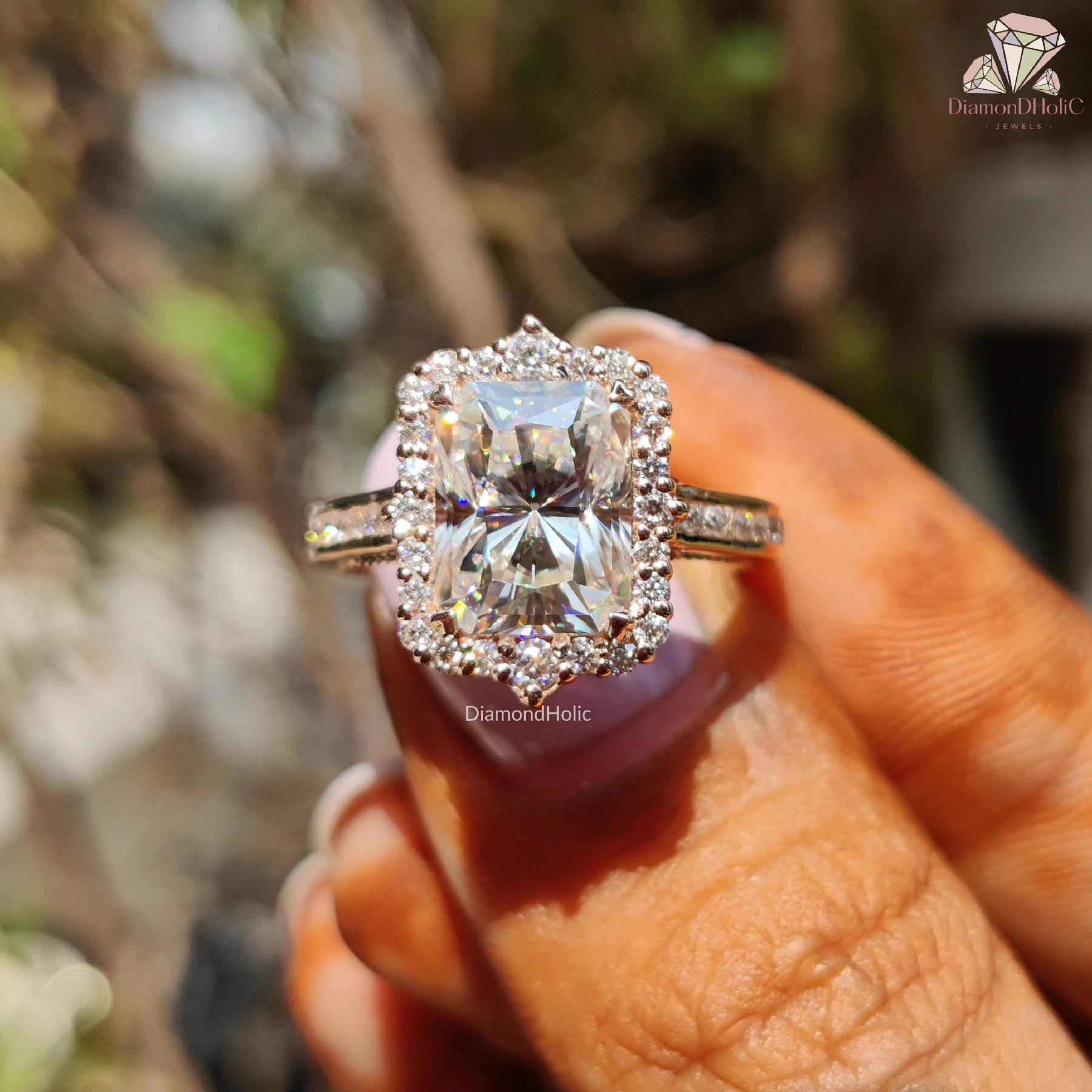
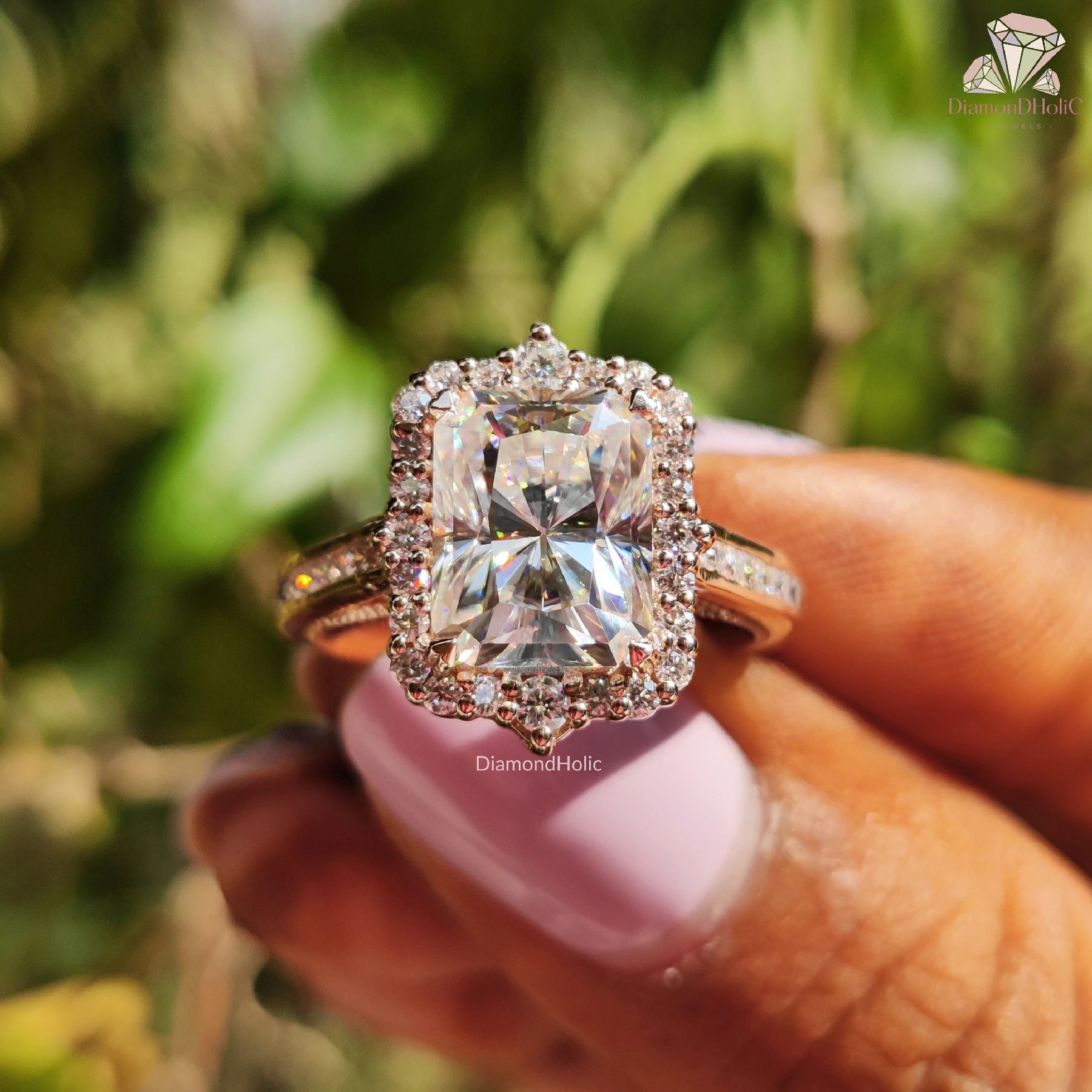
Diamond birthday jewelry ranges from classic diamond stud earrings and solitaire pendants to tennis bracelets and stackable bands, often chosen for milestone ages like the 60th "diamond birthday" jubilee.
View our everyday moissanite rings
Popular Diamond Birthday Styles
Moissanite Studs: Timeless, versatile, and fits any style or everyday wardrobe.
Tennis Bracelets: Features a continuous line of diamonds for a brilliant statement look.
Solitaire or Journey Pendants: Sits centrally on the neck, ideal when ring sizes or piercings are unknown.
Stackable Rings: Modern gold bands embedded with small diamonds or alternating birthstones.
Choosing Metals and Stones
Gold Tones: Pick from 10K, 14K, or 18K yellow, white, or rose gold based on personal preference.
Platinum: Durable, hypoallergenic, and great for holding high-value center stones securely.
Lab-Grown vs. Natural: Lab-grown diamonds offer larger carat weights and sparkle at a lower price point while remaining chemically identical to mined diamonds.
When Is Your Diamond Birthday?
Wondering when is your diamond birthday? Look at the day of the month you were born. That number is the age connected with your Diamond Birthday.
For example:
|
Birth Date |
Diamond Birthday Age |
|
February 4 |
4 |
|
May 12 |
12 |
|
June 18 |
18 |
|
September 25 |
25 |
|
November 29 |
29 |
So, what is your diamond birthday? If your birthday falls on the 22nd of any month, your Diamond Birthday would traditionally be your 22nd birthday.
The month does not normally change the calculation. The important number is the day of the month.
What Is the History Behind the Diamond Birthday?
There is no single universally documented historical origin for the Diamond Birthday tradition.
Unlike established traditions such as silver and golden wedding bands, the Diamond Birthday is not governed by one official international standard. The phrase has developed through birthday customs, family traditions, popular culture, and modern gift and party ideas.
The association with diamonds makes sense because diamonds have long been used as symbols for major personal milestones. Over time, the word became a way to describe a birthday that feels especially unusual or significant.
Is a Diamond Birthday the Same as a 60th Birthday?
Not necessarily. This is one of the most common sources of confusion. A Diamond Birthday can refer to the age-date match described above. However, “diamond” is also frequently used for major 60-year celebrations.
A golden milestone is often associated with 50 years, while diamond is commonly associated with 60 years in anniversary traditions. But those anniversary traditions should not automatically be treated as the definition of a Diamond Birthday.
What Are Good Diamond Birthday Party Ideas?

Once you know the meaning, planning the celebration becomes easier. Your diamond birthday party ideas do not need to follow a strict theme. The best choice usually depends on the person's age, interests, guest list, and budget.
Some ideas include:
1. A Birth-Year Party
Build the party around the year the birthday person was born. Include popular music, photographs, foods, movies, or clothing styles from that period.
2. A Memory Table
Set up photographs and small keepsakes from different stages of the person's life. Ask family members to contribute one meaningful memory.
3. A Diamond-Inspired Dinner
Use white, silver, or clear details for the table setting. Crystal-style glassware, candles, simple table linens, and small decorative stones can create the theme without making the party feel excessive.
4. A Family Video
Ask friends and relatives to record short birthday messages. Combine them into a video to play during dinner.
5. A Small Celebration at Home
A diamond birthday does not need to involve a large venue. A family dinner, homemade cake, photographs, and a meaningful gift can make the day memorable.
What Diamond Birthday Party Decorations Work Best?
For diamond birthday party decorations, keep the design connected to the person's personality rather than using diamonds everywhere.
Good choices include:
-
White and silver balloons
-
Clear glass candle holders
-
Silver tableware
-
White flowers
-
Number-shaped decorations showing the birthday age
-
Photo displays
-
Personalized cake toppers
-
Silver or white table runners
-
Small crystal-style decorative pieces
If the birthday person is young, brighter colour can be combined with the diamond theme. For an adult celebration, neutral shades and personal photographs often create a more sophisticated setting.
What Are the Best Diamond Birthday Gifts?
The best diamond birthday gifts depend on the person's age and relationship with the person giving the gift.
For a major milestone, jewelry can be particularly meaningful because it can be kept for many years.
Some gift options include:
-
A birthstone and diamond necklace
-
A personalized bracelet
-
A diamond anniversary-style band
-
A jewelry piece engraved with the birthday date
-
A framed family photograph
-
A handwritten letter
-
A personalized keepsake
If the person already wears jewelry, look at what they normally choose before buying something. Their preferred metal, jewelry size, gemstone color, and everyday style can help narrow down the right gift.
What Are Birthday Diamonds?
Birthday diamonds can mean diamonds purchased specifically to mark a birthday or diamonds selected as a birth-related gift.
A personalized jewelry piece can combine several ideas. For example, a necklace might include a birthstone with a small diamond accent, creating a gift connected to both the person's birth month and birthday.
What Are All the Types of Birthdays?
There is no single official list of all the types of birthdays, because different cultures and families use different birthday traditions.
Commonly discussed birthday milestones include:
-
First birthday
-
Sweet 16
-
18th birthday
-
21st birthday
-
30th birthday
-
40th birthday
-
50th birthday
-
60th birthday
-
70th birthday
-
80th birthday
-
90th birthday
-
100th birthday
-
Golden birthday
-
Diamond birthday
Some birthdays have cultural or religious significance, while others are simply personal milestones.
What Are the Top 3 Rarest Birthdays?
In the United States, December 25, January 1, and December 24 are often among the least common birth dates because births are less likely to be scheduled on major holidays. February 29 is a special case because it occurs only during leap years, making a February 29 birthday much rarer as a calendar date.
Birth rates also vary by country, year, hospital practices, scheduled births, and other factors, so there is no universal worldwide ranking.
How Rare Is My Birthday Month?
If you are wondering how rare is my birthday month, the month itself is generally not as unusual as a specific birth date.
Some months have more births than others. Birth patterns can also change by country and year. If you want to know how unusual your birthday is, it is more useful to compare your exact date rather than only the month.
Final Thoughts on Diamond Birthdays
A Diamond Birthday is a simple birthday tradition with a personal connection: your age matches the day of the month on which you were born.
Whether you call it a Diamond Birthday, diamond birthday, or simply a special birthday, the celebration does not need to follow a fixed formula. A thoughtful gathering, meaningful photographs, a personal letter, or a piece of jewelry can all make the occasion special.
FAQs:-
Q.1 What are golden birthdays and diamond birthdays?
A golden birthday happens when you turn the same age as the day of the month you were born (like turning 25 on the 25th). A diamond birthday traditionally marks turning 60 years old, though modern social media trends also define it as when your age matches the last two digits of your birth year (like turning 94 in 2094).
Q. 2 What are all the types of birthdays?
golden, platinum, and diamond birthdays, major milestone ages, and traditional cultural coming-of-age celebrations.
Q. 3 What is an Emerald birthday?
An emerald birthday is a viral social media trend where the age you are turning matches the number of your birth month (for example, turning 5 years old in May, the 5th month).
Q. 4 What are the top 3 rarest birthdays?
The top 3 rarest birthdays are February 29, December 25, and January 1.
Why These Birthdays Are Rare
February 29 (Leap Day): This date occurs only once every four years, making it mathematically the rarest birthday by a wide margin.
December 25 (Christmas Day): Outside of leap years, this is the least common calendar birthday because doctors and hospitals rarely schedule elective C-sections or inductions on major holidays.
January 1 (New Year's Day): Similar to Christmas, the start of the year sees a sharp drop in planned medical procedures and overall hospital deliveries.


From $350.00 - $1,223.00
From $190.00 - $1,135.00
From $307.00 - $763.00


From $327.00 - $945.00


From $357.00 - $1,099.00


From $315.00 - $1,058.00


From $237.00 - $867.00


$799.00
$1,150.00


$799.00
$1,150.00


$799.00
$1,150.00
$949.00
$1,250.00


$330.00
$1,687.50


$480.00
$2,558.75


$2,197.44
$2,746.80


$317.23
$396.54
$2,197.44
$2,746.80


$282.83
$353.54
0 comments